How many distinct regions does Australia have?
Australia is primarily divided into six states and two mainland territories, which serve as its main administrative and geographical regions. These include New South Wales, Victoria, Queensland, Western Australia, South Australia, Tasmania, the Northern Territory, and the Australian Capital Territory. Each offers unique landscapes, climates, and attractions for U.S. travelers.
What is the largest region in Australia by area?
Western Australia (WA) is the largest region in Australia by land area, covering nearly one-third of the continent. This vast state offers incredibly diverse landscapes, from the vibrant capital city of Perth to the remote and rugged Kimberley region, making it an expansive destination for adventurous U.S. travelers.
Which Australian region is best for beach lovers?
Queensland, located in northeastern Australia, is often considered the best region for beach lovers. It boasts thousands of kilometers of coastline, including iconic destinations like the Gold Coast and the Sunshine Coast, along with easy access to the Great Barrier Reef and tropical islands. New South Wales also offers stunning beaches like Bondi.
Is it easy to travel between Australian regions?
Traveling between Australian regions is generally straightforward but requires planning due to the vast distances. Domestic flights are the quickest option between major cities. For shorter distances or more scenic routes, rental cars and long-distance coach services are available. Always factor in travel time when planning your itinerary across regions.
Which region offers the best Outback experience?
The Northern Territory is widely considered the premier region for an authentic Australian Outback experience. It is home to iconic landmarks like Uluru (Ayers Rock) and vast national parks such as Kakadu and Litchfield, offering ancient landscapes, rich Indigenous culture, and unique wildlife encounters. It provides a raw and immersive Outback adventure.
What is the capital of Australia and which region is it in?
The capital city of Australia is Canberra, located within the Australian Capital Territory (ACT). The ACT is the smallest self-governing mainland territory, centrally positioned between Sydney and Melbourne. Canberra is the political heart of the nation, featuring national institutions, museums, and galleries, providing a unique cultural experience.
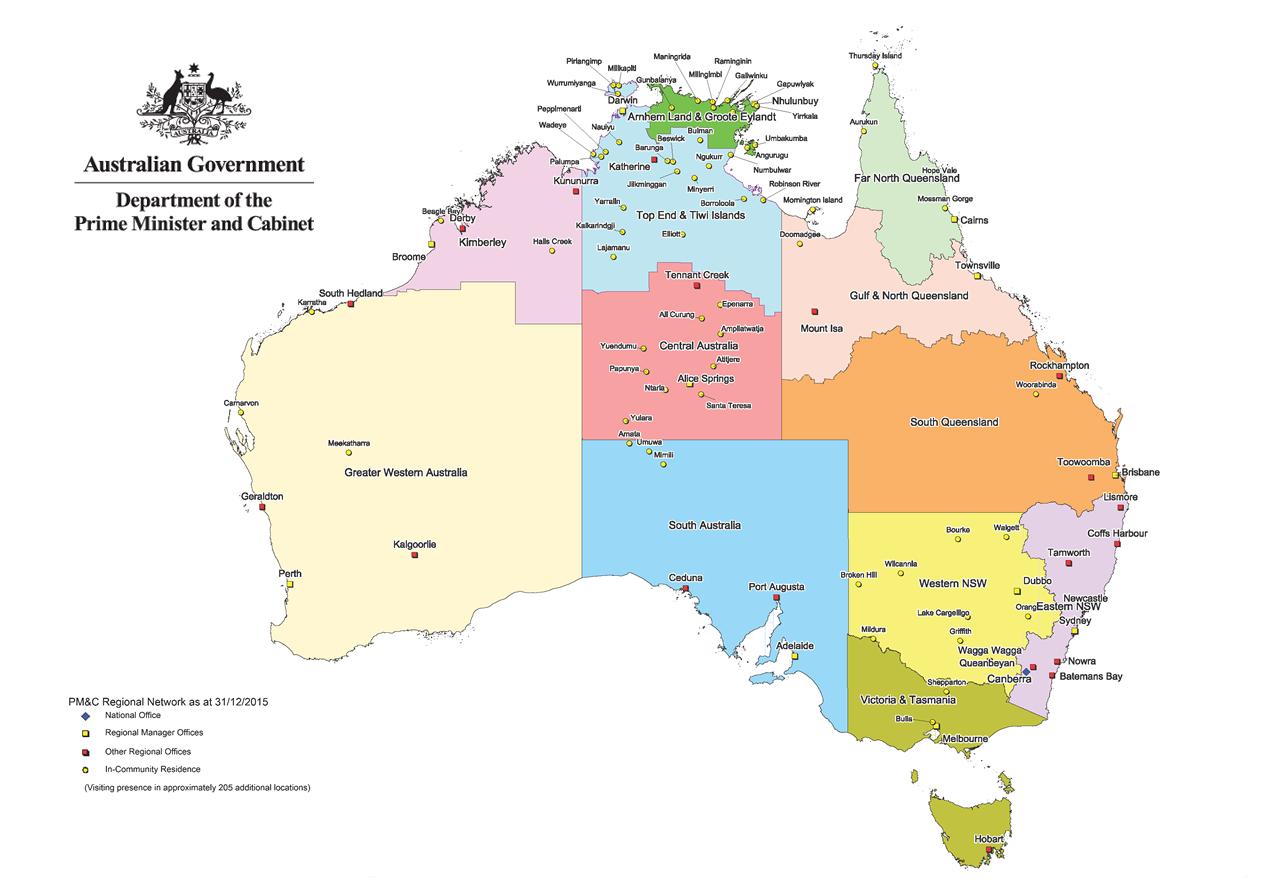
Australia regions map, travel Australia US, Australian states, explore Australia, regional travel Australia, Australia vacation planning, Sydney region travel, Queensland beaches, Outback toursPlanning a dream trip down under from the U.S. in 2026? Understanding the map of Australia's regions is crucial for crafting an unforgettable adventure. This comprehensive guide helps U.S. searchers navigate the diverse landscapes, vibrant cities, and unique ecosystems that make up the Australian continent. Discover the distinct characteristics of New South Wales, Victoria, Queensland, Western Australia, South Australia, Tasmania, the Northern Territory, and the Australian Capital Territory. Learn how to compare regions for your interests, whether you're seeking iconic beaches, bustling urban experiences, rugged outback exploration, or world-class wine country. We'll explain why knowing these regions matters for flight planning, accommodation choices, and maximizing your travel budget. This article serves as your informational and navigational starting point, offering practical insights to help you decide where to visit, what activities to prioritize, and how to book your journey with confidence. Get ready to explore Australia's incredible regions and make informed decisions for your next great escape.
- What are the main states in Australia for tourism? - The main states for tourism in Australia are New South Wales (Sydney), Victoria (Melbourne), Queensland (Great Barrier Reef), and Western Australia (Perth). These offer a mix of iconic landmarks, vibrant cities, and diverse natural attractions for U.S. visitors.
- Which Australian region is best for nature and wildlife? - For nature and wildlife, the Northern Territory (Uluru, Kakadu) and Tasmania (wilderness areas) are exceptional. Queensland also offers incredible marine life with the Great Barrier Reef and tropical rainforests, making it a top choice for natural exploration.
- How do I choose between Australia's East Coast and West Coast? - The East Coast (NSW, VIC, QLD) offers bustling cities, famous beaches, and the Great Barrier Reef, ideal for first-time visitors. The West Coast (WA) boasts vast, remote landscapes, pristine beaches, and unique geology, suited for adventurous travelers seeking less crowded experiences.
- What visa do US citizens need to visit Australian regions? - U.S. citizens typically need an Electronic Travel Authority (ETA) visa to visit Australia for tourism purposes. This visa can be applied for online and allows stays of up to three months per visit. Ensure you apply well in advance of your 2026 travel dates.
- Can I rent a car and drive across Australian regions? - Yes, you can rent a car and drive across Australian regions, but be prepared for very long distances and remember to drive on the left side of the road. Major roads are good, but consider domestic flights for significant inter-state travel to save time.
- What is the best time of year to visit multiple Australian regions? - The shoulder seasons (spring: September-November, and autumn: March-May) are often ideal for visiting multiple Australian regions. During these periods, the weather is generally pleasant across most states, avoiding the extreme heat of summer in the south or the wet season in the north.
- Are there guided tours available for specific Australian regions? - Yes, many guided tours are available for specific Australian regions, catering to various interests like wildlife, food and wine, or Indigenous culture. These tours often provide transportation, expert commentary, and access to unique experiences, enhancing your regional exploration.
Planning an extraordinary journey from the United States to Australia in 2026 requires a solid understanding of its vast and varied geography. Australia, often called a continent-country, is far more than just Sydney or the Outback. It's a collection of distinct states and territories, each offering unique experiences, climates, and cultural highlights. For U.S. travelers, knowing these regions is the first step toward crafting a truly personalized and unforgettable adventure.
This guide will break down the primary regions of Australia, helping you visualize their locations, understand their defining features, and decide which ones best align with your travel aspirations. Whether you're dreaming of city life, pristine beaches, ancient landscapes, or unique wildlife encounters, grasping the regional map is essential for seamless planning and maximizing your time down under.
What are the Main Regions of Australia?
Australia is officially divided into six states and two major mainland territories. Each boasts its own government, capital city, and a unique character shaped by its environment and history. Understanding these divisions helps American travelers narrow down their focus and itinerary when planning a trip.
From the bustling east coast to the rugged west, and from the tropical north to the temperate south, these regions collectively offer an incredible spectrum of travel opportunities. Knowing what each region specializes in allows you to tailor your visit, ensuring you hit all your must-see spots and activities.
New South Wales and its Appeal
New South Wales, often abbreviated as NSW, is Australia's most populous state and home to its iconic capital, Sydney. This region is a major entry point for many U.S. visitors, offering world-famous landmarks like the Sydney Opera House and Bondi Beach. Beyond the city, NSW provides diverse landscapes, from the stunning Blue Mountains to the Hunter Valley wine region and extensive coastline with beautiful beaches and national parks.
For travelers interested in a mix of cosmopolitan experiences, cultural attractions, and accessible natural beauty, NSW is an excellent choice. It provides a solid base for both urban exploration and day trips into scenic surroundings.
Many flight paths from the U.S. land directly in Sydney, making it a convenient starting point for wider Australian adventures. From here, you can connect to other states or explore the local region extensively.
Victoria and the Southern Charms
Victoria, located in the southeast, is home to Melbourne, consistently ranked among the world's most livable cities. This state is celebrated for its vibrant arts scene, exceptional dining, sports culture, and stylish laneways. Beyond Melbourne, Victoria offers the scenic Great Ocean Road, the Yarra Valley wine region, and the stunning Dandenong Ranges.
If your travel preferences lean towards cultural immersion, sophisticated urban experiences, and picturesque drives, Victoria will captivate you. Its compact size compared to other states makes it relatively easy to explore its diverse offerings.
Melbourne also serves as a key travel hub, with direct flights from some U.S. cities or easy connections from Sydney. Exploring Victoria offers a different flavor of Australia, known for its European-influenced elegance.
Queensland's Tropical and Coastal Zones
Queensland, in Australia's northeast, is synonymous with sunshine, tropical rainforests, and the majestic Great Barrier Reef. Its capital, Brisbane, is a modern, dynamic city, but the real draw for many visitors lies further north in places like Cairns and Port Douglas, gateways to reef adventures and the Daintree Rainforest. The Gold Coast offers famous surf beaches and theme parks.
This region is ideal for U.S. travelers seeking warm weather, marine activities, and lush natural beauty. Queensland's vast coastline provides endless opportunities for swimming, snorkeling, diving, and wildlife encounters.
Direct flights into Brisbane or Cairns from international hubs make accessing Queensland relatively straightforward. It’s a prime destination for those looking for a sun-soaked, adventure-filled segment of their Australian trip.
Western Australia's Vast Landscapes
Western Australia, or WA, is the largest state, covering nearly a third of the continent. Its capital, Perth, is known for its relaxed lifestyle and stunning beaches. WA boasts incredibly diverse and often remote landscapes, including the dramatic Kimberley region, the Bungle Bungle Range, and world-class wine regions like Margaret River. The Ningaloo Reef offers incredible marine encounters without the crowds of the Great Barrier Reef.
For the adventurous U.S. traveler eager to explore truly expansive, wild, and unique natural environments, Western Australia presents an unparalleled experience. It’s a destination that rewards longer stays and a willingness to venture off the beaten path.
While Perth is further from the U.S. than eastern cities, direct flights are available, making this incredible region accessible. It’s perfect for those seeking dramatic scenery and pristine wilderness.
South Australia's Wine and Wildlife
South Australia, with its capital Adelaide, is celebrated for its premium wine regions, including the Barossa Valley and McLaren Vale. It's also a gateway to extraordinary wildlife experiences on Kangaroo Island, home to native Australian animals in their natural habitats, and the Flinders Ranges, offering dramatic outback scenery.
If your travel interests include world-class food and wine, combined with intimate wildlife encounters and accessible natural beauty, South Australia is a fantastic choice. It offers a more relaxed pace than the larger east coast cities.
Adelaide is easily reachable via connecting flights from Sydney or Melbourne. South Australia provides a charming blend of cultural sophistication and natural wonders, often with fewer crowds than other popular states.
Tasmania's Island Wonders
Tasmania, an island state off Australia's southeastern coast, offers rugged wilderness, pristine national parks, and a rich convict history. Its capital, Hobart, blends historic charm with a thriving arts and food scene. Destinations like Cradle Mountain-Lake St Clair National Park and Freycinet National Park showcase breathtaking scenery.
Tasmania is perfect for U.S. travelers who appreciate cooler climates, outdoor activities like hiking, and a strong focus on nature and heritage. It feels distinctly different from mainland Australia, offering a unique island experience.
Accessing Tasmania typically involves a short domestic flight from Melbourne or Sydney to Hobart or Launceston. Its compact size makes it ideal for a focused road trip exploring its diverse landscapes.
Northern Territory's Outback and Indigenous Culture
The Northern Territory, or NT, is the heart of Australia's Outback and rich Indigenous culture. Its capital, Darwin, is a tropical city with a vibrant multicultural vibe. However, the NT is most famous for its natural icons like Uluru (Ayers Rock), Kakadu National Park, and Litchfield National Park, offering ancient landscapes, waterfalls, and abundant wildlife.
For U.S. travelers keen on experiencing Australia's vast, ancient landscapes and delving into its profound Indigenous heritage, the Northern Territory is an essential destination. It provides a raw, authentic glimpse into the country's spiritual and natural core.
Flights to Darwin or Alice Springs are available from major Australian cities. A trip to the NT is an immersive experience, often best explored with guided tours to fully appreciate its significance and natural wonders.
Australian Capital Territory's National Significance
The Australian Capital Territory, or ACT, is Australia's smallest self-governing internal territory, home to the nation's capital, Canberra. This planned city is the political heart of Australia, featuring prominent national institutions like Parliament House, the Australian War Memorial, and numerous national galleries and museums.
While perhaps not the primary draw for first-time U.S. visitors, Canberra offers a deep dive into Australian history, politics, and culture. It's an excellent stop for those interested in national heritage and significant governmental sites.
Canberra is a short drive or flight from Sydney, making it an easy addition to an east coast itinerary. It provides a distinct contrast to the more nature or beach-focused regions, offering a unique perspective on Australia's identity.
How Can US Travelers Plan a Trip to Australia's Regions?
Planning a trip to Australia from the U.S. involves several key steps to ensure a smooth and enjoyable experience across its diverse regions. The most crucial initial decision is selecting which regions best match your travel interests and the amount of time you have available.
Consider direct flights to major hubs like Sydney, Melbourne, or Brisbane, as these often have the most competitive pricing and best connections. Once you land, domestic flights, reliable coach services, or rental cars are excellent options for inter-regional travel. Booking accommodations, tours, and domestic transport well in advance, especially for popular destinations in 2026, is highly recommended to secure your preferred options and potentially better rates.
Choosing Regions Based on Your Interests
Are you an avid surfer dreaming of the Gold Coast, or do you envision sipping Shiraz in the Barossa Valley? Perhaps the ancient landscapes of Uluru call to you, or the vibrant urban energy of Melbourne's laneways. Prioritize your top two or three interests, then research which regions excel in those areas. This approach streamlines your itinerary and prevents over-scheduling, allowing for a more immersive experience within your chosen regions.
If you love hiking and cooler climates, Tasmania might be perfect. If marine life and tropical warmth are your priorities, Queensland is a strong contender. Consider combining a major city experience with a natural wonder for a balanced trip. For example, explore Sydney for a few days, then fly to Cairns for the Great Barrier Reef.
Thinking about the time of year you plan to visit is also vital, as Australia's climate varies significantly across its vast regions. The northern tropics are best in the dry season (May to October), while the southern states are lovely in spring (September to November) or autumn (March to May).
What Should I Know Before Visiting Australian Regions?
Before you embark on your 2026 Australian adventure, understanding a few practical aspects will greatly enhance your trip. Australia's unique environment and customs might differ from what you're used to in the U.S., so a little preparation goes a long way.
From securing the correct visa to understanding local wildlife and driving rules, being informed ensures a safer and more enjoyable journey. Familiarize yourself with currency, electrical outlets, and basic etiquette to navigate local interactions smoothly.
Climate and Best Times to Visit
Australia's immense size means it experiences a wide range of climates. The northern regions, like the Northern Territory and tropical Queensland, have distinct wet (November to April) and dry (May to October) seasons. The southern states, including NSW, Victoria, and South Australia, experience four distinct seasons similar to the Northern Hemisphere but reversed (summer December-February, winter June-August). Western Australia has diverse zones, from tropical north to Mediterranean south.
For most U.S. visitors, the shoulder seasons (spring: September-November; autumn: March-May) often offer the best balance of pleasant weather across multiple regions and fewer crowds. However, if specific activities like diving the Great Barrier Reef or exploring the tropical Daintree Rainforest are priorities, researching the optimal season for those activities within their specific region is crucial.
Always check the local weather forecasts for the specific regions you plan to visit closer to your travel date to pack appropriately. Sun protection is paramount year-round, especially with Australia's strong UV index.
Transportation and Getting Around
Navigating Australia's vast distances often involves domestic flights between major cities like Sydney, Melbourne, Brisbane, Perth, and Adelaide. For exploring within a region, renting a car offers flexibility, but remember Australians drive on the left-hand side of the road. Major routes are well-maintained, but be prepared for long distances between towns, especially in rural and Outback areas.
Public transport networks are excellent within major cities, including trains, trams, and buses. Long-distance coaches are a more budget-friendly option for inter-state travel if you have ample time. For specific attractions, consider guided tours, which often include transportation and expert commentary, especially beneficial in remote areas like Uluru or Kakadu National Park. Planning your regional movements effectively will save time and enhance your overall experience.
Safety and Wildlife Awareness
Australia is generally a safe country for tourists, but awareness of its unique wildlife and natural conditions is important. Be mindful of sun exposure, stay hydrated, and follow all safety warnings at beaches, national parks, and remote areas. While encounters with dangerous wildlife are rare in tourist areas, it's wise to be informed about potential risks like venomous snakes or spiders, especially when hiking in natural environments. Seek local advice if unsure.
When swimming, always choose patrolled beaches and swim between the flags. In tropical northern waters, be aware of marine stingers during certain seasons and crocodilians in specific freshwater areas. Always prioritize your safety and follow local guidelines from park rangers or tour operators. Being prepared means you can fully enjoy Australia's incredible natural beauty responsibly.
How to Find Local Guides and Tours in Australian Regions
For an enriched travel experience, especially for U.S. visitors, connecting with local guides and booking tours is highly recommended across Australia's regions. This is particularly true for experiencing Indigenous culture, exploring remote Outback areas, or navigating national parks.
You can easily find local guides and tours by checking reputable online travel platforms that specialize in Australian destinations, reviewing options directly on state tourism websites, or consulting with your hotel concierge upon arrival. Many regions, like the Northern Territory, offer Indigenous-led tours that provide invaluable cultural insights and connections to the land. Reading traveler reviews is a great way to assess quality and suitability for your interests.
Booking ahead, especially for popular tours or during peak seasons, is advisable for 2026 to ensure availability and secure your spot. Whether you're looking for a small group wilderness trek, a personalized food and wine tour, or an expert-led reef excursion, local operators offer unique perspectives and ensure you get the most out of each regional visit.
Conclusion: Your Next Steps for Exploring Australia's Regions
Understanding the map of Australia's regions is the cornerstone of planning an incredible U.S. trip to this diverse continent. Each state and territory offers a distinct flavor, from the urban sophistication of Sydney and Melbourne to the wild beauty of Tasmania and the ancient spirituality of the Northern Territory.
Your next step should involve identifying your primary travel interests and researching the regions that best cater to them. Consider the time of year for your visit in 2026, as climate varies significantly. Once you have a shortlist, begin looking into flight options, accommodation, and popular tours that align with your budget and desired experiences. Utilized trusted travel resources and online reviews to compare options and build a realistic itinerary. By taking a thoughtful, region-by-region approach, you'll be well on your way to experiencing the vast wonders Australia has to offer, making memories that last a lifetime.
map of Australian states and territories, major regions to visit Australia, planning an Australia trip from US, comparing Australian regions for tourists, best places to visit in Australia, how to travel Australia efficiently, popular Australia travel routes


Map Australia With Regions Of Political And State OFF The Stock Vector Adobe 1000 F 184730097 Australian Living Nomads Travel Tips Guides News.


Australia Map With Regions Vector Australian Of Or Territories And Divisions Editable Clearly Labeled Layers Geography Pictures Region 575157186 Stock Illustrated Their Capitals Image Free UEZD1.


Premium Vector Australia Political Map With Region Names Solid Simple Style Pastel Colours Editable 389109 162 An Attempt At Mapping S Regional Areas Maps On The Web Of Regions Beautiful Stock Color And High Res Graphic Image A Global In Form Country Flag Infographic Timeline Easy To Edit.


Australia Map With Regions Vector Stock Design Template All Of Download Image Now Adobe 1000 F 176225161 The Detailed 29484F.


Regions Of Australia Colorful Map With Vector Color And Names High Res Graphic Editable Outline Stock Highly Detailed Political Showcasing Its Borders Perfect For Educational Travel Related Projects 56327750 Art Free.


Where To Invest In Property 2026 Australia S Growth Hotspots SIGA 2026 High Regions Across Vector Map Of With Or Territories And 1000 F 509345471 Top Australian Boom 2026 Fastest Land Australias 2026 Mobile IFEAT 2026 Study Tour 2026 AST Picture The Farming States Aus Snapshot Ag Fig 4i6wqpqf27.


Regions Of Australia Rsig Maps Map Stock Vector Royalty Free 268877930 With 268877930 260NW 246841342 Political Cities And On White Background 1084059539 Hot Dry Start To 2026 Lifts Australian PV Despite Fires Monsoon GHI Deviation January 2026.