Ever wondered can Steam detect pirated games and what that means for your account and gaming experience This comprehensive guide dives deep into Steam's sophisticated anti piracy measures explaining exactly how Valve's platform identifies unauthorized software. For gamers balancing demanding lives the last thing anyone wants is account issues or performance hiccups from unofficial game versions. We'll demystify Digital Rights Management DRM online authentication and the checks Steam performs offering clear insights into the risks of pirated games versus the undeniable benefits of legitimate ownership. Discover how Steam protects its ecosystem ensuring fair play and robust features for the millions of US gamers who on average spend over 10 hours a week unwinding with their favorite titles. Understand the real implications and make informed choices for a seamless supported and secure gaming journey.
For gamers wondering, 'can Steam detect pirated games,' the answer is yes, and here are the top questions people are asking:
What exactly is DRM and how does it relate to Steam's ability to detect pirated games?
DRM, or Digital Rights Management, refers to technologies used by publishers and platforms like Steam to control access to copyrighted material. For games, DRM often involves authentication checks when you launch a game, ensuring you own a legitimate copy. Steam integrates its own DRM, which verifies game ownership against your account library. If a game's files have been tampered with or are missing the necessary license key verification, Steam's systems are designed to flag it. This process is fundamental to how Steam can detect pirated games, as unauthorized copies typically bypass or modify these crucial checks, leaving a digital footprint that legitimate clients don't have.
How quickly can Steam identify and respond to someone using a pirated game?
The speed at which Steam identifies pirated games can vary. For games requiring constant online authentication or those with robust third-party DRM like Denuvo, detection can be almost instantaneous if an unauthorized version attempts to connect to secure servers. For single-player games that might only do an initial ownership check, the detection might occur if the game attempts to update, access community features, or if the Steam client itself runs a verification scan. Valve's systems are continuously updated, making it increasingly difficult for pirated copies to go unnoticed for long, especially if they try to mimic legitimate activity or connect to Steam's ecosystem. The primary focus is preventing online play and feature access.
Beyond detection, what are the most common consequences for gamers caught with pirated games on Steam?
The consequences for gamers caught using pirated games on Steam range from minor inconveniences to severe account actions. Most commonly, you'll find pirated games simply won't launch or won't receive updates, leaving you with an outdated, broken, or unplayable experience. For those attempting to integrate pirated software with their Steam client or use it online, there's a significant risk of a permanent account ban. This means losing access to all your legally purchased games, friends list, and wallet funds, a devastating outcome for most dedicated gamers. Furthermore, pirated software is often a vector for malware, keyloggers, and viruses, compromising your personal data and PC security, which is a risk far beyond a simple game not working.
Is there a distinction between 'having' a pirated game on my hard drive and 'playing' it through Steam?
Yes, there's a crucial distinction. Simply having pirated game files stored on your hard drive, unassociated with Steam, is generally not what triggers Steam's detection mechanisms. Steam primarily focuses on how games interact with its client and online services. The risk escalates significantly when you attempt to launch, install, or associate a pirated game through the Steam client, or try to access its online features with an unauthorized copy. Steam's systems look for active processes, executable modifications, and validation failures during launch or connection attempts. While storing illicit files isn't ideal, it's the active attempt to integrate them into the Steam ecosystem that poses the most direct threat to your account.
Do Steam's regional pricing and sales policies influence piracy rates, and how does this affect detection efforts?
Steam's regional pricing and frequent sales are often seen as a strategy to combat piracy by making legitimate games more accessible and affordable globally. When games are priced fairly for local economies or discounted heavily during sales, the incentive to pirate diminishes significantly. This proactive approach by Valve aims to reduce the overall volume of pirated software, thereby reducing the pressure on detection systems. While robust DRM and detection are still crucial, providing value for money ensures more gamers opt for legal purchases. When more users buy legitimately, the community and developers benefit, and Steam's detection efforts can focus more on the more determined illicit activities rather than widespread opportunistic piracy.
How do multiplayer games on Steam handle pirated versions, especially with anti-cheat systems?
Multiplayer games on Steam, particularly those with dedicated anti-cheat systems like VAC (Valve Anti-Cheat) or third-party solutions, are extremely effective at blocking pirated versions. Pirated copies typically cannot connect to official game servers because they lack proper authentication keys or have modified executables that flag them immediately. Any attempt to bypass these checks usually results in an instant ban, not just from the specific game but potentially from Steam itself. For competitive gamers, this is a non-starter; legitimate ownership is essential for online play, ensuring a fair and secure environment for everyone and protecting against unauthorized access and potential cheating, which pirate copies often enable or contain.
What steps can gamers take to ensure they are always playing legitimate versions of games and avoid piracy risks?
To ensure you're always playing legitimate games, the most straightforward step is to purchase them directly from trusted, authorized digital storefronts like Steam, Epic Games Store, GOG, or from reputable retailers. Always verify the source of your game keys or downloads. Avoid third-party sites offering suspiciously cheap keys or 'free' games, as these are frequently scams or vectors for malware. Keep your Steam client updated, enable two-factor authentication for account security, and be wary of unofficial patches or modifications that promise to unlock features for free. Supporting developers through legitimate purchases not only ensures your security but also helps fund future games you'll love.
Hey fellow gamers! We've all been there: juggling work, family, and life while trying to carve out some precious time for our favorite digital escapes. For many of us, gaming isn't just a hobby; it's a vital way to unwind, connect with friends, and even build new skills. But in this quest for relaxation and fun, a question occasionally pops up in the back of our minds: can Steam detect pirated games? It's a query that carries weight, especially when you've invested significant time and money into your Steam library and community. No one wants to risk their account or their PC's security over a misguided download. This guide is for the average gamer, the one who values a smooth, secure experience and wants to understand the tech without the jargon.
We're talking to the approximately 60% of US gamers, many of whom are around 36 years old, who are looking for clear answers, not hype. You want to know if that 'free' game could jeopardize your hard-earned achievements or access to popular social games you play with friends. With 87% of US gamers regularly diving into virtual worlds, often for more than 10 hours a week, and mobile gaming dominating alongside PC and console cross-play, staying current and secure is more important than ever. This article will break down how Steam works to protect its ecosystem, what happens if pirated games are detected, and why investing in legitimate copies is always the best strategy for peace of mind, performance, and genuine enjoyment. Let's get into the nitty-gritty of Steam's detection methods and what they mean for your gaming journey.
How Does Steam Actually Detect Pirated Games?
Steam employs a multi-layered approach to detect pirated games, primarily relying on Digital Rights Management (DRM) and online authentication. When you purchase a game on Steam, it's tied to your account, giving you a unique digital license. Every time you launch a game through the Steam client, it performs a quick check to verify this license against your account library. Think of it like a digital bouncer at a club, ensuring only ticket holders get in. If a game's files have been tampered with to bypass these checks, or if it lacks the proper licensing key, Steam's systems will flag it as unauthorized. This process is crucial to understanding how Steam can detect pirated games effectively.
Furthermore, many modern games, especially multiplayer titles, require constant online connectivity to Steam's servers. This isn't just for gameplay; it's also a continuous verification process. If a pirated version attempts to connect to these servers, it will almost certainly fail the authentication, as it won't be able to provide the legitimate credentials tied to a purchased copy. Even single-player games can trigger detection if they try to access Steam features like achievements, cloud saves, or community hubs, or if the client itself runs a scheduled integrity check. These mechanisms are constantly evolving, making it increasingly challenging for unauthorized copies to fly under the radar for long, ensuring a robust defense against piracy.
What Happens If Steam Detects a Pirated Game on My PC?
The consequences of Steam detecting a pirated game can range from minor annoyances to significant account-altering penalties. In the simplest scenarios, a pirated game simply won't launch, or it might launch but lack critical updates, patches, or functionality like multiplayer. You'll be stuck with a broken or severely limited experience. However, the more serious repercussions arise when a pirated game attempts to interact with the Steam client or its online services in a way that mimics legitimate activity. If Steam's anti-piracy measures catch this, your account could face sanctions.
The most severe outcome is a permanent Steam account ban. This means losing access to all your legally purchased games, your friends list, your Steam Wallet funds, and any progress tied to your account. For gamers who have built up a library over years and rely on Steam for their social gaming, this is a devastating blow. While Valve typically targets those actively attempting to circumvent security for online play or to exploit the system, the risk is real. It's a harsh reminder that while the allure of a free game might be tempting, the potential cost of losing your entire digital gaming life is far greater than the price of a legitimate purchase during a Steam sale.
Can I Play Pirated Games Offline Without Detection?
The idea of playing pirated games offline to avoid detection is a common misconception, but it's not a foolproof strategy. While some pirated games are indeed designed to run without an active internet connection, bypassing Steam's online checks, this doesn't guarantee complete immunity from detection or other risks. Firstly, many modern games, even single-player ones, have an initial online activation or require periodic verification. Running a pirated version offline means you'll miss out on crucial game updates, bug fixes, and performance improvements that often address stability and security issues. This can lead to a less polished, buggier experience that can detract from your precious gaming time.
Moreover, the Steam client itself can perform integrity checks when you do connect online, even if you haven't explicitly launched a pirated game through it. While simply having pirated files on your hard drive isn't usually enough for a ban, any attempt to modify Steam's files or interact with its services with unauthorized software could still trigger alarms. The overall risks of malware and system instability associated with pirated software still apply, regardless of online status. So, while playing offline might seem like a workaround, it severely limits your game experience and doesn't eliminate all potential dangers. For the average gamer, balancing life means wanting things to just work, and pirated games rarely offer that reliability.
Are There Any Risks Beyond Account Bans for Using Pirated Games?
Absolutely. While a Steam account ban is a major deterrent, the risks associated with pirated games extend far beyond digital rights enforcement. One of the most significant dangers is cybersecurity. Pirated software often comes bundled with malware, viruses, ransomware, or keyloggers. These malicious programs can quietly infect your PC, compromise your personal data, steal your login credentials (not just for Steam, but for banking, email, and other services), or even hold your entire computer hostage. For busy adults who use their gaming rig for work, family photos, and online banking, this is an unacceptable level of risk. Your personal and financial security could be severely jeopardized, leading to headaches that far outweigh any temporary savings on a game.
Beyond malware, pirated games frequently suffer from poor performance, instability, and compatibility issues. They often lack proper optimization, leading to crashes, graphical glitches, and frustrating gameplay experiences that waste your limited gaming time. You also miss out on critical patches and bug fixes, leaving you with an outdated and potentially broken game. Furthermore, there's no technical support. If something goes wrong, you're entirely on your own. This stands in stark contrast to legitimate games, which offer peace of mind, regular updates, dedicated support, and a secure environment. The overall cost in terms of time, frustration, and potential data loss far exceeds any perceived benefit of pirating, making it a poor choice for any gamer who values their digital life.
Why Do Developers Use DRM Like the Kind Steam Employs?
Developers and publishers implement Digital Rights Management (DRM) technologies, including the measures Steam uses, primarily to protect their intellectual property and ensure fair compensation for their work. Creating a modern video game is a massive undertaking, involving hundreds of talented individuals, millions of dollars in investment, and years of effort. Without DRM, unauthorized copies could spread rampantly, drastically reducing legitimate sales and directly impacting the livelihood of studios and individual developers. This, in turn, stifles innovation and makes it harder for them to fund future games that we all love to play. It’s about sustaining an industry that brings joy and escapism to millions, including the 87% of US gamers regularly engaging with their favorite titles.
DRM also helps maintain the integrity of online multiplayer experiences. By ensuring all players are using legitimate copies, it becomes significantly harder for cheaters to manipulate game files or exploit vulnerabilities found in pirated versions. This contributes to a fairer and more enjoyable environment for everyone, particularly for those who value competitive or social play. While some gamers might find DRM inconvenient, it serves as a necessary deterrent against widespread piracy, allowing developers to continue creating the high-quality, immersive experiences that define modern gaming. For gamers, understanding this balance helps appreciate why these systems are in place, even if they sometimes feel intrusive.
What Are the Benefits of Buying Games Legally on Steam?
Beyond simply avoiding the risks of piracy, buying games legally on Steam unlocks a wealth of benefits that significantly enhance your gaming experience. First and foremost, you get full access to **Steam's ecosystem**, which includes automatic updates, cloud saves that sync across devices, and a robust achievement system that tracks your progress. You also gain entry to the vibrant Steam Community Hubs, allowing you to connect with fellow gamers, share strategies, and find user-created content. For many US gamers, socializing in games or on platforms like Discord is a huge part of the experience, and legitimate games make that seamless.
Perhaps most importantly, legal purchases grant you access to **official multiplayer servers**. This means you can play with friends, participate in esports, and enjoy the cooperative or competitive aspects of games as intended. You also receive **developer support** for any issues, ensuring a stable and optimized experience. Furthermore, purchasing games supports the developers and publishers, allowing them to create more of the games you love. Think of it as investing in your hobby. With frequent Steam sales, bundles, and free-to-play options, there are countless budget-friendly ways to build an amazing library without resorting to risky pirated versions. Plus, you get peace of mind knowing your account and PC are secure from malware.
How Can I Tell if a Game I'm About to Play is Legit?
Ensuring your game is legitimate is simpler than you might think, and it largely comes down to your source. The most straightforward way is to **purchase and download games directly through the official Steam client**. When you buy a game on Steam, it's immediately added to your library, and the client manages the download, installation, and updates. This process guarantees authenticity. Similarly, buying game keys from **authorized retailers** like Humble Bundle, Fanatical, or directly from a publisher's website (if they list official key sellers) is also safe. Always be wary of sites offering suspiciously low prices or
Steam uses DRM and authentication to detect pirated games. Pirated versions lack Steam features updates and multiplayer. Risks include account bans malware and no support. Legal games offer full integration community access and security. Always buy legitimate copies for the best experience.
35


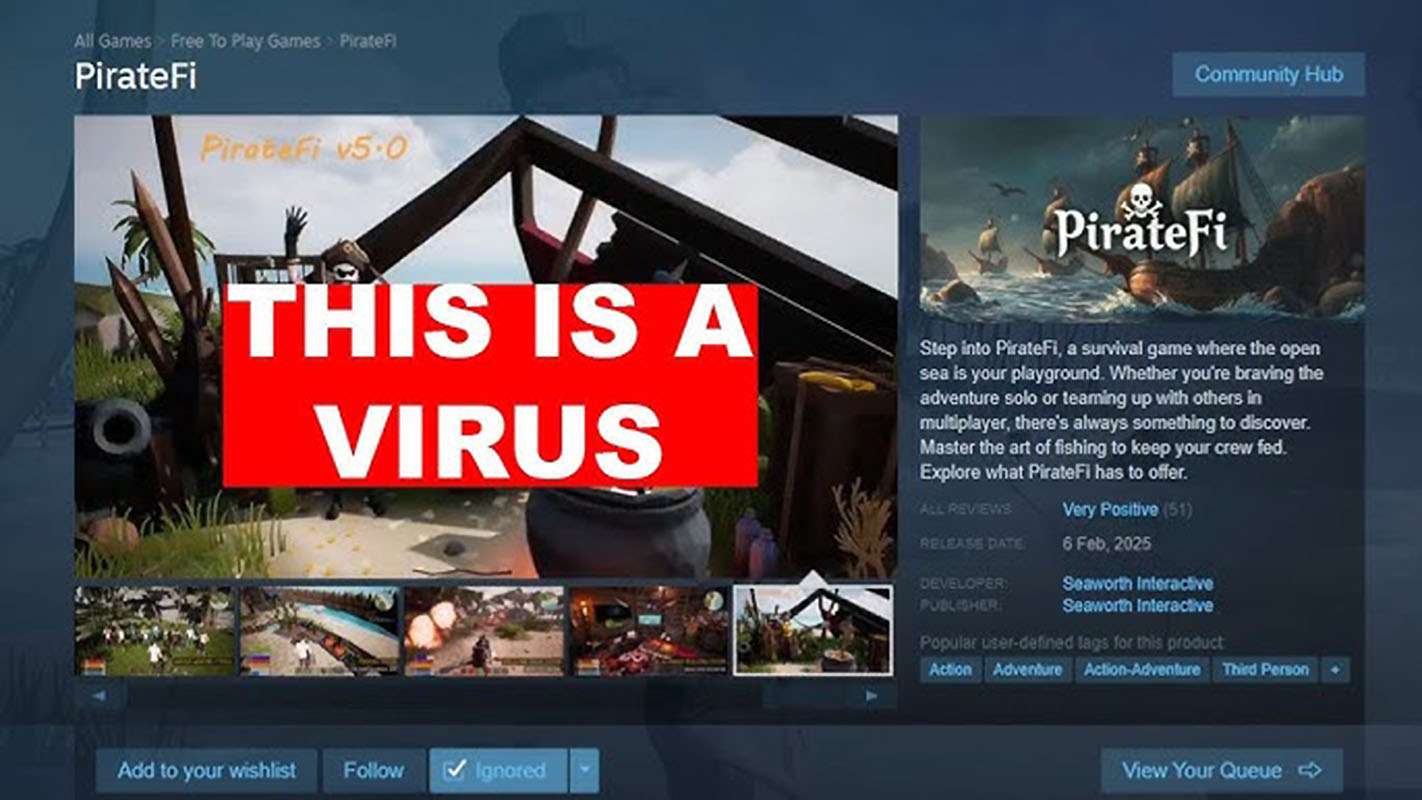
Render Pipelines In Unity A Guide By Be . How To Install Games From Steam Step By Step GEEKY SOUMYA Do Not Play Pirated Games Blog . Can Steam Detect Pirated Games At Margie Barker Blog . Can Steam Detect Pirated Games At Margie Barker Blog . Valve Delists Steam Game PirateFi Over Malware Concerns Notifies All Steam Piratefi

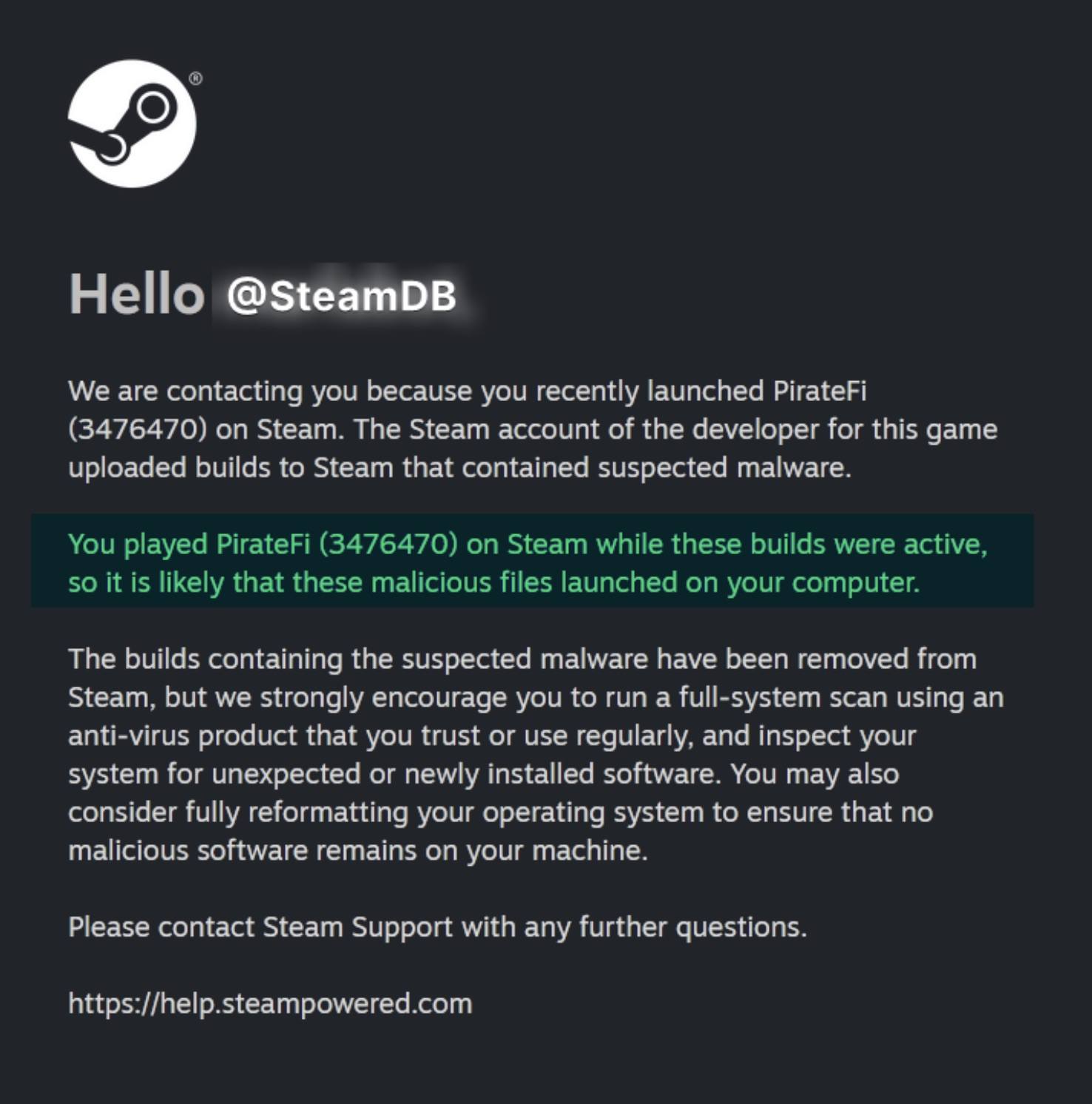


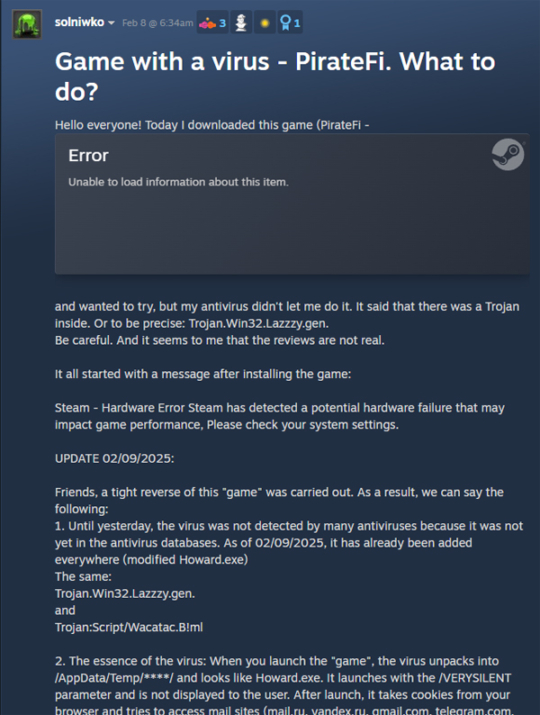
Can Steam Detect Pirated Games Answered Apps UK Pirated Steam Games 1536x512 . Viruses On Official Steam Minecraft And Endgame Gear Sites Gamer Malware Endgame Gear Steam Minecraft 3 1 . Valve Pulls New Steam Game And Issues Warning To Players Amid Malware Steam Removed Game Malware Warning Piratefi Valve Statement Steamdb . Can Steam Detect Pirated Games At Margie Barker Blog . Steam Malware Alert PirateFi Game Spreads Vidar Infostealer Tr 20250219 Steam Piratefi Malware Vidar Infostealer Figure E 540x715


Guide How To Play Pirated Games Without Being Detected By Steam Jugar Juegos Pirata Sin Ser Detectado Por Steam 1024x576 . Steam March 2026 Client Update Adds Hardware Specs To User Reviews Steam Client Mar 2026 . Steam Apparently Can Detect Pirated Games I Guess R Piracy Steam Apparently Can Detect Pirated Games I Guess V0 . Steam Game PirateFi Exposed As Dangerous Info Stealing Malware The Piratefi Steam . Hackers Somehow Uploaded A Game Full Of Malware On Steam Screenshot 2025 02 13 At 1.35.52 PM 1280x771



The Best Extraction Shooter Games You Can Play On Steam Right Now Most Played Games Steam 2026 2048x1167 . Can Steam Detect Pirated Games On Your PC CyberPost Cyberpost Gaming Knowledge Base.webp. TOP 15 MOST BRUTAL Pirate Games With OPEN SEA EXPLORATION Coming Out In . Hacker Plants Three Strains Of Malware In A Steam Early Access Game . Can Steam Detect Pirated Games On Your PC CyberPost Cyberpost Team 320x321



11 Best Pirate Games 2026 Sail And Rule The High Seas Best Pirate Games 768x430 . Top 10 Pirate Games For Pc At Juana Faller Blog . January 2026 S Top Selling New Steam Games Revealed 08418405 04a2 47eb B48b 1500x843 . Can Steam Detect Pirated Games At Margie Barker Blog . 10 Super Anti Piracy Measures Traps In Video Games 1 YouTube



Can You Play Steam Games On Xbox Consoles GAMES IN 2026 . Pirate Open Sea TOP 10 Best Upcoming Pirate Games 2024 Sea Of Remnants Ship . Steam Users Can Claim Tempest Pirate Action RPG For Free Until GHacks Articles 73 . Valve Has Revealed All Steam Sale Event Dates For 2026 Steam Tererowa Game Rant . Why Was My Steam Account Banned Common Reasons And How To Appeal Or .appeal




Kalender Lengkap Event Steam 2026 Diskon Besar Dan Festival Game Favorit Steam Events 2 Q82 W2560 H 74ce0.webp. Nordic Game 2026 Screenshot 2026 06 09 At 14.06.51 960x636 . 5 Game Steam Yang Patut Kamu Mainkan Di Bulan Januari 2026 . 4 Games That Prove 2026 Is Year Of The Pirate It S Just Getting Started Windrose Preview Navel . Is It Safe Virus Removal Guide 2048x841